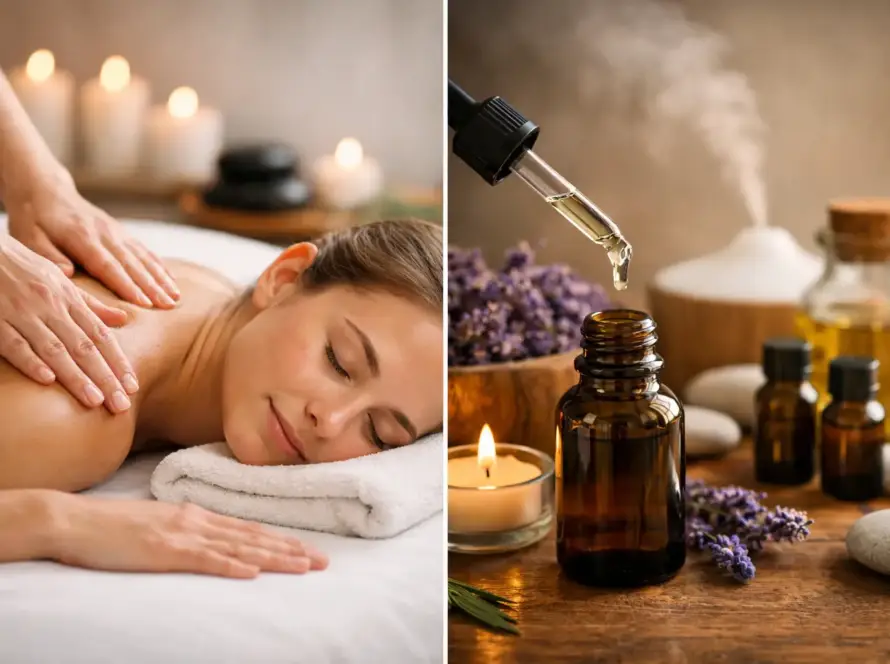
Pregnancy can change the way your body feels almost week to week. One day you want relief for your lower back, the next you want quiet, warmth, and an hour where no one asks anything from you. That is exactly why a thoughtful guide to pregnancy spa treatments matters. The right treatment can ease physical tension, calm a busy mind, and help you feel more at home in a body that is doing remarkable work.
Not every spa service is suitable during pregnancy, and that is where careful, personalized care makes all the difference. Pregnancy is not an illness, but it is a time when your circulation, skin sensitivity, joints, temperature regulation, and comfort levels are all shifting. A treatment that once felt deeply relaxing may now feel too intense, too warm, or simply not right. The best pregnancy spa experiences honor those changes rather than push through them.
What pregnancy spa treatments are really for
At their best, pregnancy spa treatments are not about pampering for its own sake. They are about support. That may mean reducing muscular strain in the hips and shoulders, easing swollen feet, helping you rest more deeply, or giving you emotional space to reset.
For many expectant mothers, stress relief is as valuable as physical relief. Pregnancy often comes with excitement, but it can also bring mental overload, interrupted sleep, and the constant sensation of preparing for what comes next. A nurturing treatment can create a pause in that cycle. When a therapist understands both bodywork and emotional care, the session feels less like a standard appointment and more like a chance to reclaim your center.
A guide to pregnancy spa treatments by type
Prenatal massage
Prenatal massage is usually the first treatment people think of, and for good reason. When adapted correctly, it can be one of the most beneficial options during pregnancy. A skilled therapist will adjust pressure, positioning, and focus areas based on your stage of pregnancy and what your body needs that day.
This is not the time for aggressive deep work or the kind of massage that leaves you sore the next morning. Most clients benefit more from steady, grounding pressure that eases tension in the lower back, neck, legs, and shoulders without overwhelming the nervous system. Positioning matters just as much as technique. Side-lying support and carefully placed bolsters can turn a treatment from tolerable to deeply restorative.
It also depends on the individual. Some women want specific muscular relief. Others need a gentler, soothing session that prioritizes calm. The right therapist will not treat every pregnancy body the same.
Pregnancy-safe facials
Facials can be a beautiful option during pregnancy, especially when skin feels reactive, dry, congested, or unfamiliar. Hormonal shifts can change everything from oil production to redness levels, so products and techniques that worked before may suddenly feel too active.
A pregnancy-safe facial should focus on hydration, soothing ingredients, and comfort. This is usually not the moment for harsh exfoliation, strong acids, retinoids, or heavily fragranced formulas. The goal is to support the skin barrier, reduce irritation, and help you leave feeling replenished rather than overstimulated.
There is also an emotional value here that people often underestimate. Pregnancy can make you feel very visible and very tired at the same time. A facial offers quiet care in a different way than massage does. It can help you feel rested, held, and more like yourself.
Reflexology and foot treatments
Reflexology is often appealing during pregnancy because feet can feel swollen, heavy, and overworked. For some expectant mothers, this kind of treatment brings a sense of relief throughout the whole body. For others, feet are too sensitive and a lighter touch is needed.
This is where practitioner training is essential. Reflexology during pregnancy should never feel forceful or experimental. A knowledgeable therapist will know how to adapt pressure and duration and when to keep the treatment more generally relaxing rather than highly stimulating.
Simple foot rituals can also be enough. Gentle massage, lower-leg support, and cooling products may be more comfortable than a full reflexology session, especially later in pregnancy.
Gentle holistic therapies
Some expectant mothers are drawn to quieter, more subtle treatments such as reiki, meditation-based sessions, or other calming holistic therapies. These can be especially supportive if you are feeling emotionally full, physically uncomfortable, or simply touched out.
These therapies do not replace medical care, and they should never be presented that way. What they can offer is a sense of stillness and reconnection. For many women, that emotional settling is part of wellness too. In a family-run, holistic setting like Natural Light, that kind of care often feels more personal than a one-size-fits-all spa menu.
Treatments and spa elements to approach with caution
Pregnancy-safe spa care is often more about adaptation than restriction, but some treatments do require extra care. High heat is one of the biggest considerations. Hot tubs, saunas, steam rooms, and body wraps that raise core temperature may not be recommended during pregnancy.
Very intense massage techniques can also be a poor fit, especially if they cause discomfort or leave the body feeling stressed rather than soothed. Strong detox-style treatments, heavily scented products, and advanced facial actives may not be ideal either. Even if something is technically allowed, that does not always mean it will feel good in a pregnancy body.
This is why a consultation matters. Safety is part of it, but comfort is too. A treatment should be selected not just because it is permitted, but because it is likely to be genuinely restorative.
Choosing by trimester
First trimester
Some spas prefer to wait until after the first trimester for hands-on treatments, while others may offer modified services earlier with appropriate screening. Policies vary, which can feel frustrating, but it often reflects caution rather than lack of expertise.
If you are in early pregnancy, lower-intensity treatments may feel best. Rest-focused facials or calming holistic therapies can be a gentle starting point if nausea, fatigue, or sensitivity are high.
Second trimester
This is often the sweet spot for pregnancy spa treatments. Energy may feel steadier, positioning is usually still manageable, and many women begin to notice more muscular tension that responds well to massage.
If you have been waiting to book something restorative, this is often when it feels most rewarding.
Third trimester
Later pregnancy usually calls for even more support, more pillows, and more flexibility. Swelling, hip discomfort, lower back strain, and sleep disruption can all shape what feels helpful.
Shorter or highly customized treatments may be better than long, ambitious spa sessions. Comfort becomes the priority. A beautiful treatment at this stage is one that listens closely to the body rather than expecting the body to adapt to the treatment.
How to choose the right spa and therapist
A polished setting matters, but expertise matters more. When booking pregnancy spa care, look for a therapist or spa team that clearly understands prenatal modifications, asks detailed health questions, and treats consultation as part of the experience rather than a formality.
You should feel able to mention anything relevant, from sciatic discomfort to swelling to simply not wanting heavy pressure on a given day. Good prenatal care is collaborative. It does not rely on generic scripts.
It also helps to choose a space that feels emotionally safe. Pregnancy can make you more sensitive to noise, temperature, scents, and atmosphere. The best environment is one that feels calm, attentive, and unhurried. Luxury is not only about what the room looks like. It is about how well you are looked after once you are in it.
Questions worth asking before you book
Before booking, ask whether the therapist has prenatal training, how they position clients during treatment, what products they use, and whether they adapt services by trimester. If you are considering facials or reflexology, it is reasonable to ask exactly how the treatment is modified for pregnancy.
If you have any medical concerns, high-risk factors, or pregnancy complications, check with your healthcare provider first. A quality spa will welcome that caution. Thoughtful wellness care works alongside medical guidance, not around it.
What a good pregnancy spa experience should feel like
You should leave feeling lighter, steadier, and more supported in your body. Not drained. Not overheated. Not pressured into services that do not suit your stage of pregnancy.
The most memorable treatments are often the simplest ones, done exceptionally well. A well-supported prenatal massage, a soothing facial, or a gentle reflexology session can offer real relief when delivered with care, skill, and presence. Pregnancy asks a lot of you. Choosing treatments that meet you gently, and meet you where you are, can make rest feel less like an indulgence and more like part of how you prepare for what comes next.