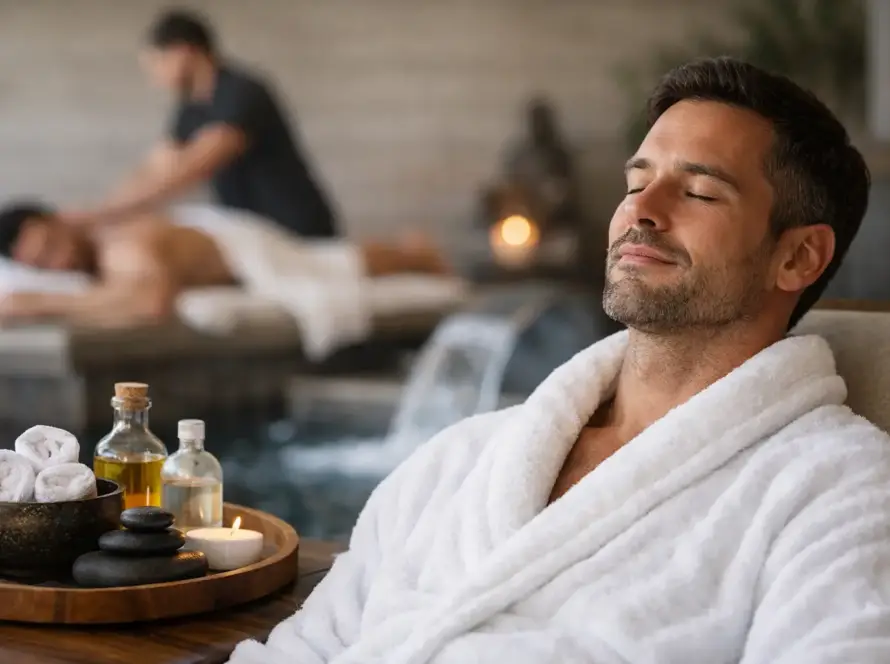
There is a particular kind of tiredness that does not disappear after one early night. It settles into dry skin, tight shoulders, a racing mind, and the feeling that you have been giving more than you have received. A body scrub detox ritual creates a gentle pause in that cycle. It is a chance to care for the surface of the body while giving the whole self permission to soften, slow down, and return to center.
The word “detox” is often used loosely in wellness. A scrub does not remove toxins from the body in a medical sense – your liver, kidneys, lungs, and digestive system already do that vital work. What a thoughtful ritual can do is help lift dull, dry skin, support circulation through touch, and create the restorative feeling of releasing what you no longer need to carry. That distinction matters. The most meaningful rituals are grounded in both care and honesty.
What Makes a Body Scrub Detox Ritual Feel Different?
A body scrub is exfoliation: fine particles such as sugar, salt, ground botanicals, or other gentle exfoliants are worked over damp skin and then rinsed away. The immediate result is often smoother-feeling skin and a brighter-looking surface. But the ritual is more than the scrub itself.
It is the warm water before the treatment. The unhurried pace. The aroma that signals you can put your phone down. The nourishing oil or body cream applied afterward, when the skin is receptive and your nervous system has had a moment to settle. Done with intention, this becomes less of a quick beauty task and more of a sensory reset.
At Natural Light, we see body care as part of a wider wellbeing experience. When exfoliation is paired with skilled touch, rest, hydration, and a peaceful setting, it can complement a massage, spa day, or personal retreat beautifully. The goal is never to rush transformation. It is to create space for you to feel cared for.
The Skin Benefits of Gentle Exfoliation
Our skin naturally sheds cells, but this process can feel less efficient when skin is dry, weather-stressed, or simply in need of more consistent care. A well-chosen scrub can help remove loose surface cells, leaving the body feeling softer and helping moisturizer spread more evenly afterward.
The benefit depends on the formula and the technique. Sugar tends to dissolve more readily and can be a comfortable option for many people. Salt scrubs can feel invigorating, though they may sting on freshly shaved skin or any areas with small cuts. Some people prefer a creamier polish with very fine particles, particularly if their skin is sensitive or prone to dryness.
More pressure is not better. Skin that looks red, feels sore, or becomes flaky after exfoliation has been overworked, not renewed. Think of the ritual as polishing rather than sanding. Slow, circular movements and a light touch are usually enough.
Where to Be Extra Gentle
The elbows, knees, heels, and upper arms often tolerate a little more attention, while the chest, neck, inner thighs, and décolletage deserve a softer approach. Avoid using a body scrub on the face unless it is specifically designed for facial skin. The face has different needs and can be more easily irritated by coarse grains or friction.
It is also wise to skip exfoliation over sunburn, rashes, eczema flare-ups, open skin, recent waxing, or areas that are irritated after shaving. If you have a skin condition, are using prescription skincare, or are unsure how your skin may react, seek guidance from a qualified healthcare professional or skincare practitioner first.
How to Create a Restorative Ritual at Home
A home ritual does not need to be elaborate to feel special. What matters is creating a clear boundary between ordinary tasks and a moment that belongs to you. Begin by setting aside enough time that you will not be rushing out the door afterward. Even 20 quiet minutes can shift the experience.
Start with a warm shower or bath. Let the water soften the skin for a few minutes, but keep the temperature comfortable rather than very hot, as prolonged heat can leave dry skin feeling more depleted. Take a few slower breaths. Notice where your body is holding tension before you begin.
With damp hands, apply a small amount of scrub to the body and work from the feet upward in gentle circles. This is not a workout for your skin. Use less pressure than you think you need, especially on delicate areas. Rinse thoroughly, then pat the body dry with a towel rather than rubbing.
The step after exfoliation is where many rituals lose their magic. Apply a rich body lotion, balm, or oil while the skin is still slightly damp. This helps seal in moisture and turns a simple shower into a more complete act of nourishment. Put on comfortable clothing, drink a glass of water, and give yourself a few minutes before returning to your schedule.
If you enjoy scent, choose one that supports the mood you need. Citrus can feel fresh and uplifting; lavender or chamomile may encourage a quieter evening; grounding notes such as sandalwood can make the experience feel more meditative. Keep fragrance gentle if you are sensitive, pregnant, or managing nausea, and always stop using a product if it causes discomfort.
When a Spa Ritual Is the Better Choice
At home, you can create privacy and consistency. In a spa setting, you can receive something that is harder to give yourself: uninterrupted care. A treatment room removes the laundry, the notifications, and the temptation to make your ritual efficient instead of restorative.
A professionally guided body ritual may combine exfoliation with warming towels, nourishing oils, massage, scalp care, or time to rest afterward. This can be especially welcome when your shoulders are tense, your energy feels low, or you are planning a meaningful occasion with a partner, friend, or small group.
There is also value in personalization. A therapist can adapt pressure, product choices, and the flow of the experience around your comfort. If you are pregnant, undergoing cancer treatment, recovering from illness, or living with a health condition, do not assume that every spa treatment is appropriate in its standard form. Ask in advance about pregnancy care or cancer-appropriate options and share relevant information honestly. Thoughtful adaptation is part of safe, compassionate wellness.
How Often Should You Use a Body Scrub?
For most people, once a week is a generous starting point. Some skin can be comfortable with exfoliation twice weekly, especially on rough areas such as feet or elbows, but frequency is always secondary to how your skin responds. During colder months or periods of dryness, you may need less exfoliation and more moisture.
If your skin feels tight, itchy, unusually sensitive, or looks persistently red, pause the scrub and focus on barrier-supporting care such as fragrance-free moisturizers and lukewarm showers. A ritual should leave you feeling replenished, not stripped back.
Be mindful of how exfoliation fits with other body treatments, too. Give your skin time before and after waxing, tanning, strong active ingredients, or intensive treatments. A little planning can help you enjoy the smooth-skin benefits without compromising comfort.
Let the Ritual Be About More Than Smooth Skin
The deepest value of a body scrub detox ritual may be its invitation to come back into your body. For a few minutes, you are not solving problems or meeting expectations. You are noticing texture, warmth, breath, and the simple relief of being cared for.
That is why this practice works so well before a celebration, after a demanding week, or as part of a more intentional spa escape. The scrub becomes a threshold: a small, physical signal that you are allowed to release the pace of the day.
Choose the gentlest product your skin enjoys, keep the pressure light, and make room for the nourishing moments afterward. Your ritual does not need to be perfect to be powerful. It simply needs to feel like an honest return to yourself.