A calendar can look perfectly manageable and still leave you feeling stretched thin. Perhaps your shoulders have been carrying deadlines for weeks, your sleep has become lighter, or you simply miss the feeling of being fully present in your own body. Choosing a spa day or retreat is not just a question of how much time you have. It is about the kind of care you need right now.
Both experiences offer space away from routine, thoughtful treatment, and a chance to reclaim your center. The difference lies in pace. A spa day creates a focused pocket of restoration within your week, while a retreat invites a deeper pause – often with more time for reflection, connection, and lasting change.
Spa Day or Retreat: Start With Your Real Need
If you are craving relief but cannot step away from home, work, or family responsibilities for long, a spa day can be exactly enough. A few uninterrupted hours can soften physical tension, quiet a busy mind, and remind you that caring for yourself does not need to wait for a vacation.
A retreat is better suited to seasons when the usual quick reset no longer feels sufficient. You may be moving through a major life change, recovering from prolonged stress, marking a birthday or milestone, or wanting time to reconnect with a partner, friend, or your own sense of direction. Rather than fitting wellness around your life for an afternoon, a retreat gives wellbeing room to become the focus.
Neither choice is more worthy than the other. The best experience is the one you can receive without rushing back into the next obligation.
What a Spa Day Can Restore
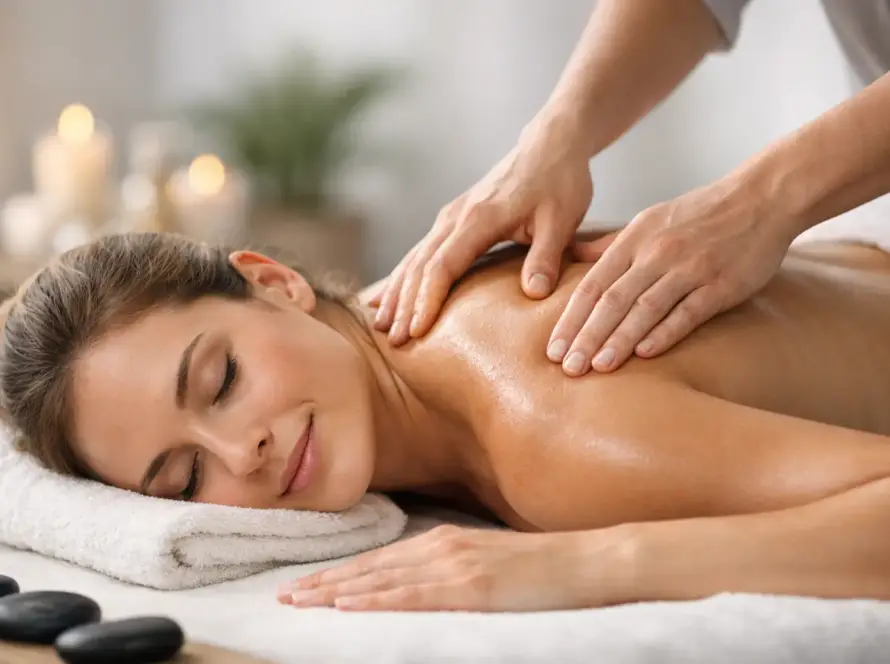
A well-designed spa day is a complete experience, not simply a treatment with a robe added before and after. It can combine massage, facial care, access to calming amenities, nourishing food, and quiet time to let the benefits settle. The beauty of a spa day is its immediacy: you arrive carrying the weight of the week and leave feeling lighter, cared for, and more comfortable in your body.
For many people, massage is the heart of that shift. A Swedish massage may suit someone who wants gentle relaxation and a calmer nervous system. Deep tissue or sports massage can be a better fit when tight muscles, desk posture, or training demands are part of the picture. Reflexology offers another deeply grounding route, particularly for guests who want focused work through the feet alongside a wider sense of relaxation.
Facials bring a different kind of restoration. They create an opportunity to slow down while supporting the skin through expert touch, hydration, and attentive care. Paired with massage, a facial can turn a short escape into a more complete ritual of renewal.
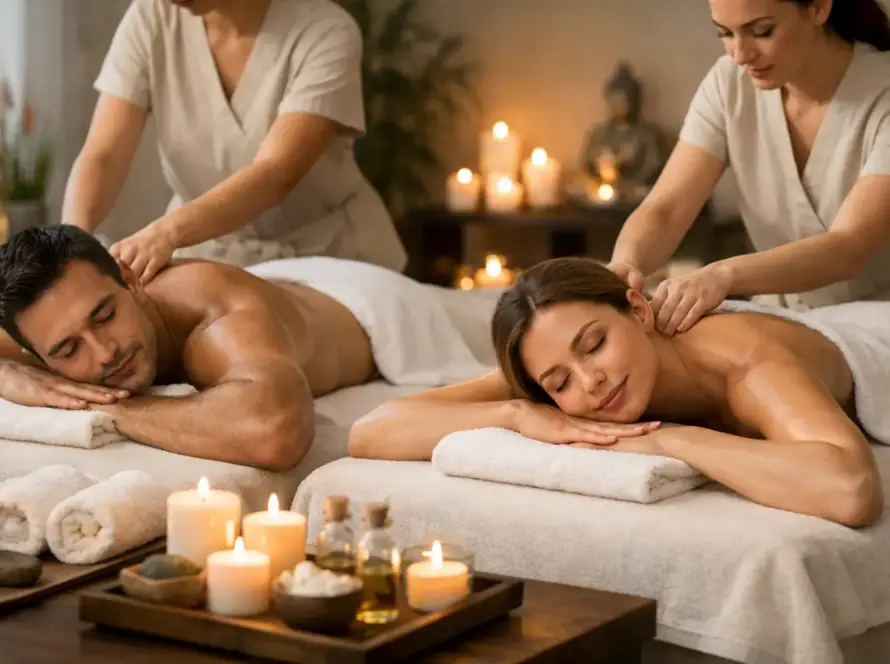
A spa day works especially well when you want to celebrate without needing to organize a whole trip. Couples can choose time together that feels genuinely restorative rather than overly scheduled. Friends can make an occasion of it, with treatments and unhurried conversation. Expectant mothers may welcome a carefully adapted pregnancy experience that honors the changes happening in their bodies. A thoughtful spa day can also be a meaningful gift for someone who rarely gives themselves permission to pause.
Choose a spa day when time is tight
A spa day is likely the right choice if you have one day or only a few hours available, want a specific treatment, or need a clear break from everyday pressure without the preparation of an overnight stay. It can be wonderfully effective before a special event, after an intense work period, or as a monthly ritual that helps you stay ahead of burnout.
The trade-off is that you return to regular life sooner. That does not lessen its value, but it does mean you should protect the aftercare. Avoid stacking your appointment between demanding commitments if possible. Leave time for a slow meal, a quiet drive home, or an early night so the calm has a chance to stay with you.
When a Retreat Offers More Than Rest
A retreat gives you more than additional treatment time. It changes the rhythm around the treatment. There is less pressure to watch the clock, less temptation to answer every message, and more room to notice what your body and emotions have been trying to tell you.
Some retreats center on restorative therapies and relaxation. Others may include meditation, breathwork, gentle movement, energy healing, chakra balancing, creative workshops, or guided moments of reflection. These elements are not about forcing transformation. They are invitations to become still enough to hear yourself again.
This makes retreats particularly valuable when stress feels layered. A massage can release a knot in the shoulders, but a longer wellness experience can also help you recognize patterns: how often you override tiredness, how rarely you sit in silence, or how much you miss feeling connected to yourself. For guests who enjoy holistic care, Reiki, meditation, and reflective practices can add a meaningful dimension to hands-on treatment.
At Natural Light, the most memorable wellbeing experiences are shaped around the person rather than a rigid idea of what relaxation should look like. That may mean a restorative massage and facial for one guest, a couples ritual with time to reconnect for another, or a retreat day that blends therapeutic care with calmer, more inward-focused practices.
Choose a retreat when you need space to shift gears
A retreat may be the better fit if you feel depleted over a longer period, are navigating grief, change, or emotional overload, or want more than an afternoon of relief. It is also a beautiful choice for small groups who want to gather with intention, whether for a birthday, a meaningful friendship celebration, or a quieter alternative to a traditional party.
The commitment is greater. You may need to arrange childcare, take time away from work, or budget for a more immersive experience. Yet that commitment can be part of its power. When you create a clear boundary around rest, you send yourself a valuable message: your wellbeing is not an afterthought.
Let Your Body Guide the Decision
Before booking, pause and ask a few honest questions. Do you mainly want physical relief, or are you longing for emotional space as well? Would a few peaceful hours feel energizing, or would you be distracted by everything waiting for you afterward? Are you hoping to share the experience, or do you need time alone?
Your answers will point you in the right direction. If your neck, back, and nervous system are asking for care but your schedule is full, a spa day can be a powerful reset. If you have reached the point where a single afternoon feels too brief, a retreat may offer the breathing room you have been missing.
It also helps to consider what makes you feel safe and supported. Some guests prefer the familiar comfort of a massage and facial. Others are curious about complementary therapies or want a more spiritual approach to wellbeing. There is no need to choose a treatment because it is fashionable. Choose what feels nourishing, appropriate, and aligned with your comfort level.
For pregnancy treatments, cancer-appropriate treatments, recent injuries, medical conditions, or significant health changes, share relevant information before your visit. An experienced therapist can help guide you toward suitable options and adapt the experience with care. A personal consultation is not a formality – it is part of creating treatment that respects your body.
Make the Reset Last Beyond the Door
The hours after a spa day or retreat matter. Drink water, eat something nourishing, and resist the urge to fill the evening with errands. If thoughts or emotions surface after a retreat, give them room rather than judging them. A journal, a gentle walk, or a quiet cup of tea can help you carry that sense of calm back into daily life.
You do not need to wait until you are completely exhausted to book time for yourself. A spa day can be a steady ritual of maintenance; a retreat can be a more spacious return to what matters. Choose the experience that meets you where you are, then let yourself receive it fully.