A hot flash can arrive halfway through a work call. Sleep may become lighter just when life feels fullest. Joints, mood, energy, skin, confidence, and desire can all seem to change their rules at once. A guide to menopause wellness treatments should begin here: this is not a personal failure to push through. It is a significant life transition, and supportive care can make room for more comfort, steadiness, and self-trust.
Menopause is not one experience, and there is no single treatment that suits every person. Some people have mild symptoms, while others find that disrupted sleep, anxiety, pain, or heavy bleeding affects daily life. The most meaningful wellness plan combines appropriate medical guidance with restorative practices that help you feel held in your body again.
What menopause wellness treatments can support
Perimenopause, the years leading up to menopause, can begin well before periods stop. Hormone fluctuations may bring irregular cycles, night sweats, hot flashes, breast tenderness, headaches, low mood, brain fog, changes in libido, and new patterns of muscle tension. Menopause is reached after 12 consecutive months without a period, though symptoms can continue beyond that point.
Wellness treatments do not replace medical diagnosis or prescribed care. They can, however, support the areas that symptoms often disrupt: rest, stress regulation, physical comfort, emotional balance, and a sense of connection to yourself. A thoughtful approach asks not only, “What symptom do I want to reduce?” but also, “What would help me feel more like myself?”
For some, the answer is clinical treatment such as menopause hormone therapy, nonhormonal medication, or treatment for vaginal dryness. For others, it is a combination of clinical support and regular bodywork, movement, nourishing meals, better sleep routines, and protected time away from demands. It depends on your symptoms, medical history, preferences, and how much they are affecting your quality of life.
Start with the care that keeps you safe
Before booking any wellness treatment, consider a conversation with a physician, gynecologist, or qualified menopause clinician, particularly if symptoms are new, severe, or changing quickly. Heavy or unexpected bleeding, chest pain, fainting, a new breast lump, severe depression, or thoughts of self-harm need prompt medical attention.
A clinician can discuss the benefits and risks of hormone therapy and nonhormonal options in the context of your health history. Hormone therapy can be highly effective for hot flashes and night sweats for many people, but it is not appropriate for everyone. A personal history of certain cancers, blood clots, stroke, liver disease, or unexplained vaginal bleeding may affect what is recommended.
Be cautious with supplements marketed as a quick menopause cure. “Natural” does not automatically mean safe, and herbs can interact with medications or affect the liver, blood pressure, and hormone-sensitive conditions. Bring every supplement, tea, and over-the-counter remedy to your clinician or pharmacist for review. Personalized care is more reassuring than chasing a promise on a bottle.
Massage for tension, rest, and nervous-system reset
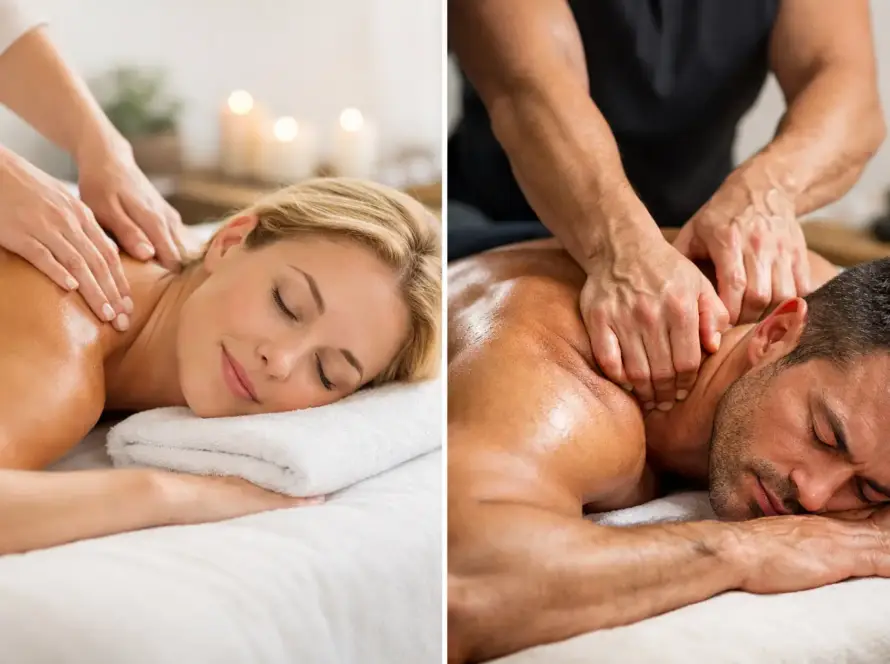
When sleep is broken and stress is high, the shoulders often tell the story first. Massage cannot stop hormonal changes, but it can be a valuable part of a menopause wellness ritual. Gentle Swedish massage may encourage deep rest and ease general tension. Deep tissue or sports massage may be better suited to persistent muscular tightness, provided pressure is adapted to your comfort, sensitivity, and recovery needs.
The goal is not to endure intense pressure. During menopause, skin, joints, and pain sensitivity can shift. Tell your therapist if you are experiencing hot flashes, headaches, breast tenderness, osteoporosis, a recent injury, swelling, or anxiety. A skilled therapist can adjust temperature, positioning, oils, pressure, and the pace of the treatment so it feels restorative rather than overwhelming.
Regular massage also creates something easily overlooked: a scheduled pause. An hour in which no one needs an answer, a decision, or your emotional labor can be profoundly supportive. For clients who want a calm, personalized setting, Natural Light in Guildford can shape massage and spa experiences around comfort, relaxation, and a genuine moment to reclaim your center.
Reflexology, Reiki, and calming complementary care
Complementary therapies can be especially appealing when menopause feels emotionally noisy. Reflexology uses pressure on the feet, while Reiki and other energy-based practices are designed around relaxation, quiet attention, and a sense of energetic balance. Many people find these treatments deeply calming, particularly when worry, fatigue, or a racing mind is part of the picture.
It is best to hold realistic expectations. These therapies should not be presented as cures for hormone imbalance or serious medical conditions. Their value may lie in the experience itself: a peaceful environment, caring touch or non-touch relaxation, slower breathing, and time to notice what your body needs. If you are unsure, choose a provider who welcomes questions, explains what to expect, and never pressures you to make health claims you do not feel comfortable with.
A treatment can be gentle and still meaningful. Sometimes the most useful outcome is leaving with your jaw unclenched, your breath lower in your body, and a clearer sense of what needs attention next.
Facial and skin rituals for changing skin
Declining estrogen can affect collagen, hydration, elasticity, and sensitivity. Skin that was once predictable may suddenly feel dry, reactive, or more prone to breakouts. A facial can be a comforting reset, but the products and techniques should suit your skin as it is now, not as it was five years ago.
Choose treatments that prioritize hydration, barrier support, and calm. Tell your esthetician about rosacea, eczema, pigmentation concerns, prescription retinoids, recent injectables, or any history of skin reactions. Strong exfoliation and aggressive heat-based treatments are not always the best choice when skin is feeling fragile. Often, a slower ritual with gentle cleansing, nourishing masks, facial massage, and tailored home care delivers the glow you want without leaving skin stressed.
Build a rhythm beyond the treatment room
The best guide to menopause wellness treatments includes the ordinary habits that make a difference between appointments. You do not need a perfect routine. You need a rhythm that is realistic on your busiest weeks.
Movement can support mood, sleep, bone health, and strength. Weight-bearing exercise and resistance training are particularly valuable as bone density and muscle mass can change with age. Walking, swimming, yoga, Pilates, dancing, or strength sessions all count. The right choice is the one you can return to without dread.
For hot flashes and sleep disruption, look at your personal patterns with curiosity rather than judgment. Alcohol, spicy foods, caffeine, warm bedrooms, and stress can be triggers for some people, but not all. A brief symptom journal can reveal useful connections. Keep layers nearby, use breathable bedding, and create a wind-down ritual that signals the day is ending.
Food does not need to become another restrictive project. Aim for regular meals with protein, fiber-rich plants, healthy fats, and calcium-rich foods. Hydration matters, especially when night sweats are frequent. If weight changes are worrying you, ask for compassionate medical or nutrition support instead of turning to punishing plans that add more stress.
Choosing your menopause wellness treatment plan
Begin with the symptom that is asking loudest for care. If tension and poor sleep are your biggest challenges, a calming massage followed by an earlier bedtime may be a useful first step. If you feel disconnected or emotionally depleted, a reflexology session, guided relaxation, or a quiet spa day may offer a softer path back to yourself. If vaginal discomfort, bleeding changes, or intense hot flashes are central, make clinical care the priority and add wellness support around it.
Think in terms of a small, sustainable ritual rather than a one-time rescue. A monthly massage, a weekly strength class, ten minutes of meditation before bed, or one protected afternoon each season can all become anchors. Couples and friends can make this easier by treating restorative time as a meaningful occasion, not an indulgence that must be earned.
You deserve care that respects both the science of menopause and the lived reality of it. Choose practitioners who listen, adapt, and make you feel safe enough to be honest. Let your next treatment be less about fixing yourself and more about creating the conditions in which you can rest, recover, and meet this changing season with confidence.