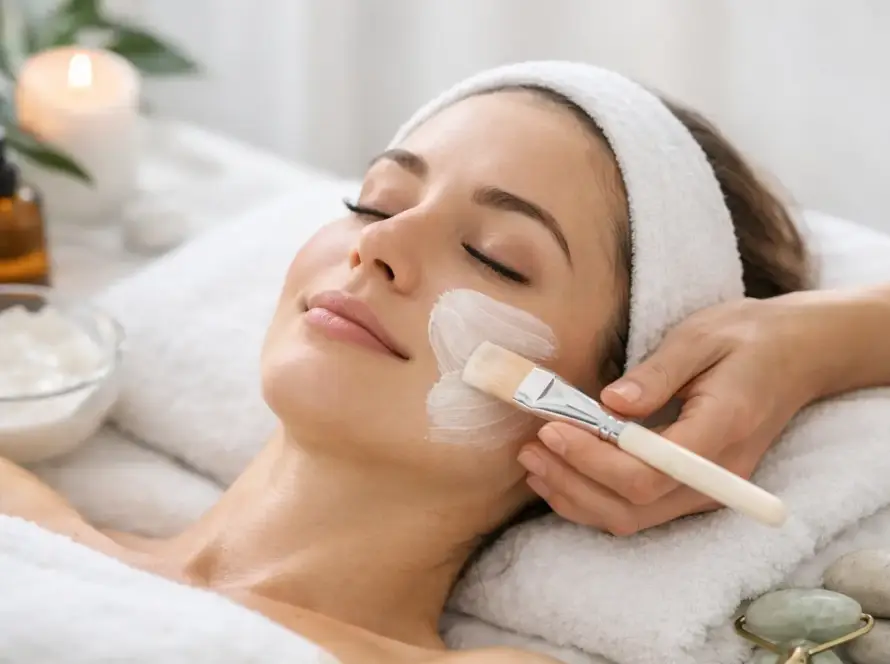
A massage can loosen a tight shoulder, but many people are looking for more than a brief release before returning to the same full schedule. They want space to breathe, care that responds to how they actually feel, and rituals that restore their sense of center. That is where holistic spa trends are reshaping the modern spa experience.
The shift is not about adding the word “wellness” to every treatment menu. It is about recognizing that physical tension, emotional fatigue, poor sleep, life transitions, and stress often arrive together. The most meaningful spa experiences now bring thoughtful treatment, unhurried hospitality, and personal intention into one restorative journey.
Holistic Spa Trends Are Becoming More Personal
For years, spa appointments were often treated as individual services: choose a massage, select a facial, check out, and leave. There is still a place for that simplicity. A focused deep-tissue massage can be exactly what a desk-bound body needs, while a facial may offer a welcome hour of quiet care.
Yet the growing preference is for experiences that begin with a conversation. How has your body been feeling? Are you depleted, restless, sore, celebrating, grieving, preparing for a baby, or simply overdue for time that belongs to you? These questions help a skilled therapist shape the pressure, pace, products, and atmosphere around the person on the treatment bed.
Personalization does not mean every appointment needs to be complicated. It means the experience has room to adapt. Someone carrying upper-back tension may benefit from focused bodywork and a calming scalp massage. Another guest may need gentle touch, warm surroundings, and a slower ritual after a demanding season. The treatment is still professional and structured, but it no longer feels interchangeable.
The return of the consultation
A good consultation is becoming part of the luxury. It creates reassurance for first-time guests and enables regular spa-goers to receive care that evolves with them. This is especially valuable for pregnancy treatments, sports massage, menopause-related changes, or treatments adapted for guests affected by cancer.
The goal is never to diagnose or promise to solve a health concern. It is to work within appropriate training and treatment guidance, make considered adjustments, and help each guest feel heard. That level of care is often what turns a pleasant appointment into a trusted wellbeing ritual.
Touch Therapy Meets Mindful Restoration
Massage remains at the heart of many spa visits, but guests increasingly value the way touch therapy can be paired with stillness. Swedish massage, reflexology, and carefully tailored deep-tissue work are no longer seen only as beauty-spa extras. They are chosen as purposeful moments to settle the nervous system, encourage body awareness, and step away from constant stimulation.
This does not mean every treatment needs incense, crystals, or a spiritual framework. Holistic care should feel welcoming, never prescriptive. Some people feel deeply supported by Reiki, chakra balancing, breathwork, or guided meditation. Others prefer the grounded comfort of expert massage, a peaceful treatment room, and time afterward to enjoy a cup of tea without rushing.
Both approaches can belong in the same spa. The shared thread is intention: creating conditions that help a guest feel more rested, connected, and cared for.
Energy-based therapies are finding a wider audience
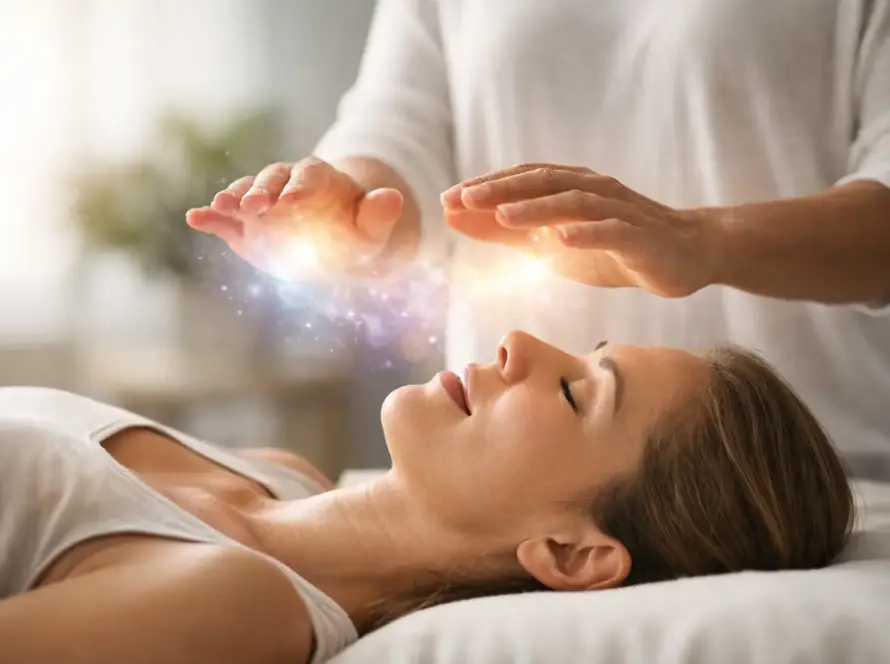
Reiki and other energy-based treatments are drawing interest from guests who want a quieter form of support. For some, these sessions offer a deeply calming pause when words feel insufficient or stress has become difficult to shake. The experience is often less about “doing” and more about receiving.
It is wise to approach these therapies with openness and clear expectations. They are complementary wellness experiences, not replacements for medical or mental health care. A reputable spa presents them honestly, respects individual beliefs, and makes space for each guest to decide what feels right for them.
The Spa Day Is Becoming a Complete Ritual
One of the strongest holistic spa trends is the move from a single appointment toward a fuller escape. Guests are not simply booking 60 minutes of massage. They are reserving an afternoon to reconnect with a partner, celebrate a birthday, gather a small group, or reclaim breathing room after weeks of giving their energy to everyone else.
A thoughtful spa day builds a rhythm around the treatment itself. It may include arrival time to settle in, a choice of massage or facial, access to relaxing amenities, a light lunch or indulgent extra, and a quiet moment outdoors. The details matter because they protect the feeling of the experience. There is a real difference between ending a treatment and immediately heading back to the parking lot, versus allowing the body and mind a little time to absorb it.
At Natural Light in Guildford, this more personal approach can make a spa day feel less like a transaction and more like an occasion. It is particularly meaningful for couples, mothers and daughters, close friends, and guests marking a milestone who want warmth as well as polish.
Shared wellbeing without the pressure
Group spa experiences are also becoming more intentional. The best ones avoid turning relaxation into a packed itinerary. Rather than rushing everyone through identical treatments, they balance shared moments with personal choice.
A hen party may want celebratory touches and time together. A small team may need a gentle reset without anything too intimate. A group of friends might prefer a restorative spa day with individual treatments chosen around their own needs. Flexible planning is what allows the experience to feel generous rather than generic.
Inclusive Care Is Raising the Standard
The future of wellness is not one-size-fits-all. Guests increasingly expect spa spaces to be considerate of different bodies, life stages, and comfort levels. That includes men seeking recovery and stress relief, expectant mothers wanting appropriately adapted care, and people navigating the emotional and physical effects of cancer treatment.
Cancer-appropriate massage is a meaningful example of why specialist knowledge matters. It is not simply a standard massage with lighter pressure. Treatment choices may need to account for medical history, current symptoms, surgery, devices, medications, and energy levels. When offered by trained practitioners with proper consultation, it can provide a precious experience of comfort and nurturing touch.
The same principle applies to every guest. A spa should never make someone feel they need to fit a certain wellness image to belong there. Real hospitality is about meeting people with sensitivity, explaining options clearly, and adapting where possible.
Results Matter, but So Does How You Feel
There is a growing appetite for treatments that feel effective, especially among wellness-minded professionals and active guests. Sports massage, deep-tissue techniques, targeted facials, and reflexology all appeal because they can address a clear concern, from tired legs to a tense jaw or dull-looking skin.
But “effective” does not have to mean intense. More pressure is not automatically better, and a packed treatment plan is not always more restorative. If your system is already overstimulated, a gentler massage, soothing facial, or meditation session may be the wiser choice.
A well-designed spa experience honors both sides: practical relief and emotional restoration. You may leave with shoulders that feel easier, but also with a reminder that rest is not something to earn only after burnout.
How to Choose a Holistic Spa Experience
Look beyond a long menu of services. The most supportive experience is usually found in the details: whether therapists ask about your needs, whether treatments can be adapted, whether the environment allows you to slow down, and whether you feel comfortable communicating your preferences.
Consider what you want to take away from the visit. For physical tension, a targeted massage may be ideal. For a special occasion, a package with treatments, refreshments, and time together may create more lasting memories. For emotional overload, a quieter ritual that includes mindful elements may be the better fit.
Most of all, give yourself permission to choose care that meets you where you are. The right spa ritual does not ask you to become a different person before you arrive. It offers a calm, considered place to pause, soften, and return to yourself with a little more ease.