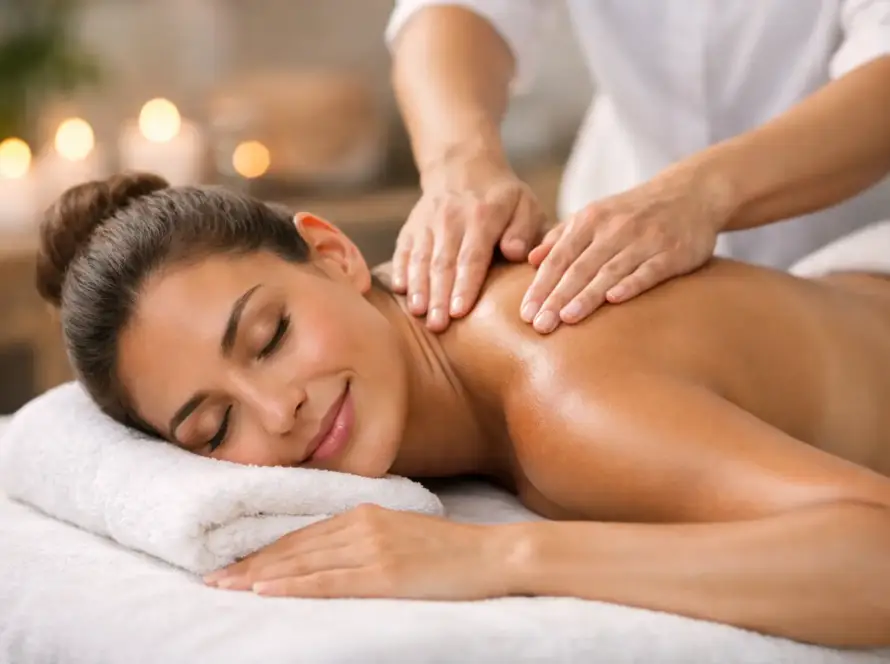
You do not need to know the difference between Swedish, deep tissue, reflexology, and reiki before booking a treatment. You simply need to know how you want to feel when you leave. That is the real starting point in how to choose massage treatment, because the best session is not always the strongest, longest, or most popular. It is the one that meets your body and your nervous system where they are.
Many people book massage by guessing. They choose the treatment name they have heard before, or they assume deeper pressure means better results. Sometimes that works. Often, it leaves them overstimulated, sore, or disappointed because what they actually needed was calm, circulation, grounding, or gentle therapeutic support.
How to choose massage treatment for your needs
Start with the reason you are booking. If your shoulders feel locked from desk work, your lower back is tight after exercise, or your legs are carrying heavy fatigue, a body-focused massage with targeted muscle work may be the right fit. If your stress is more emotional than physical, your sleep is off, or you feel generally depleted, a gentler treatment may serve you better than intense pressure.
This is where massage becomes personal. Two people can both say, “I need to relax,” while needing very different things. One may benefit from a classic Swedish massage that calms the whole system with flowing strokes and moderate pressure. Another may need deep tissue work to release longstanding tension patterns. A third may respond best to reflexology or energy-based treatment because their body is asking for regulation rather than force.
The right question is not, “What is the best massage?” It is, “What kind of support do I need today?”
Match the treatment to the outcome you want
If your goal is full-body relaxation, Swedish massage is often the easiest place to begin. It is soothing, rhythmic, and ideal for first-time spa guests or anyone carrying general stress. The pressure can usually be adjusted, which makes it a comfortable option if you want relief without feeling worked over.
If you want help with stubborn knots, restricted movement, or muscular heaviness, deep tissue or sports massage may be more appropriate. These treatments can be very effective, but they are not always the right choice for a tired, stressed, or emotionally overloaded body. Stronger pressure can bring release, but it can also feel too intense if your system is already running on edge.
If your feet, hands, and nervous system are asking for a reset, reflexology offers a different path. It is especially appealing for people who want a restorative experience without a full-body massage, or who find that focused pressure on reflex points helps them settle deeply.
If what you want is emotional balance, energetic clarity, or a sense of being held rather than manipulated, holistic treatments such as reiki can be surprisingly powerful. These are not muscle-driven sessions, yet they often meet people at exactly the level they need when life feels noisy, grief-heavy, or draining.
For expectant mothers, pregnancy massage should always be chosen over a standard massage when appropriate. The body is changing quickly, comfort matters, and specialized positioning and pressure can make all the difference. The same principle applies to cancer-appropriate treatments or any medically sensitive situation. A well-designed treatment should support your body with care, not ask it to adapt to a generic menu.
Pressure is only one part of the decision
A common mistake is choosing entirely by pressure level. Deep pressure has its place, but relief does not always come from intensity. Sometimes the body releases more when it feels safe, warm, and unhurried.
If you tend to leave massages thinking, “That was too much,” pay attention to that. You may prefer medium pressure, slower pace, and more integrated work. If you often say, “I wish they had focused more on my problem areas,” then a more clinical or targeted massage style may suit you better.
There is also a timing question. If you are booking during a packed workweek and need to return to meetings afterward, a lighter, balancing treatment might leave you clearer than an intense deep tissue session. If you have space to rest afterward, you may be more comfortable receiving deeper corrective work.
How to choose massage treatment if you are new to spa therapies
If you are new to massage, simplicity is your friend. Choose a treatment that is broad, adaptable, and easy to personalize. Swedish massage is often a reassuring first experience because it introduces touch, pressure, and relaxation without asking you to commit to a highly specialized style.
It also helps to be honest about what makes you hesitant. Some first-time guests worry about pain, modesty, talking during the session, or choosing the wrong option. A thoughtful therapist expects these concerns. In fact, the more clearly you share them, the more tailored your session can become.
You are allowed to say that you want quiet. You are allowed to say you only want moderate pressure. You are allowed to say your neck is sensitive, your feet are ticklish, or your lower back needs extra attention. Good care is collaborative, not performative.
Think beyond the treatment name
A treatment menu can sound impressive, but the most meaningful difference is often in the therapist’s approach. The same treatment title can feel very different depending on whether the experience is rushed, mechanical, intuitive, or deeply personalized.
That is why environment matters too. A massage in a setting that feels calm, attentive, and intentional tends to work on more than muscle tension alone. When you feel welcomed, unhurried, and genuinely cared for, the body often softens faster. That is part of the treatment, not an extra.
At a holistic spa such as Natural Light, this fuller experience matters. The aim is not simply to deliver a technique. It is to help you reclaim your center through care that considers your mood, stress level, physical discomfort, and the quality of restoration you are craving.
When specialized treatments make more sense
There are moments when a standard relaxation massage is not enough. If you are training regularly, recovering from repetitive strain, navigating pregnancy, processing cancer treatment, or feeling emotionally raw, a specialized session is often the wiser choice.
This does not mean your experience has to feel clinical. It means the treatment is designed with your reality in mind. That kind of personalization often creates a deeper sense of safety, and safety is what allows real release.
You may also find that a combined wellness experience serves you better than a single treatment. For some people, massage works best when paired with quiet time, breathwork, meditation, or a slower spa ritual that gives the body time to absorb the benefits. If your life feels relentlessly busy, one hour of bodywork may help, but a more immersive pause may help more.
A few signs you are choosing well
You are likely choosing the right treatment when the description matches your current state, not the version of yourself you think you should be. It suits your energy level. It respects your comfort with pressure and touch. It takes any health changes seriously. And it leaves room for your therapist to adapt the session, rather than forcing your body into a preset formula.
You are also choosing well when you feel relief reading the treatment description. Not excitement alone, but relief. A sense of, “Yes, that sounds like what I need.” That quiet recognition is often more reliable than trends or terminology.
If you are deciding between two options, choose the one that feels more supportive, not more impressive. There will always be time to explore deeper work, more targeted techniques, or new holistic therapies later. The most restorative next step is usually the one your body can receive with ease.
Massage should never feel like a test you have to pass. It is a conversation between your body, your stress load, and the kind of care that will genuinely help. When you choose from that place, your treatment becomes more than an appointment. It becomes a reset you can actually feel carry into the rest of your week.