


Reflexology represents an ancient therapeutic practice that applies targeted pressure to specific points on the feet to promote stress relief and overall wellness. This non-invasive treatment has been utilized for over 2,000 years, offering a natural pathway to achieving deep relaxation and improved health outcomes.
Understanding Reflexology Fundamentals
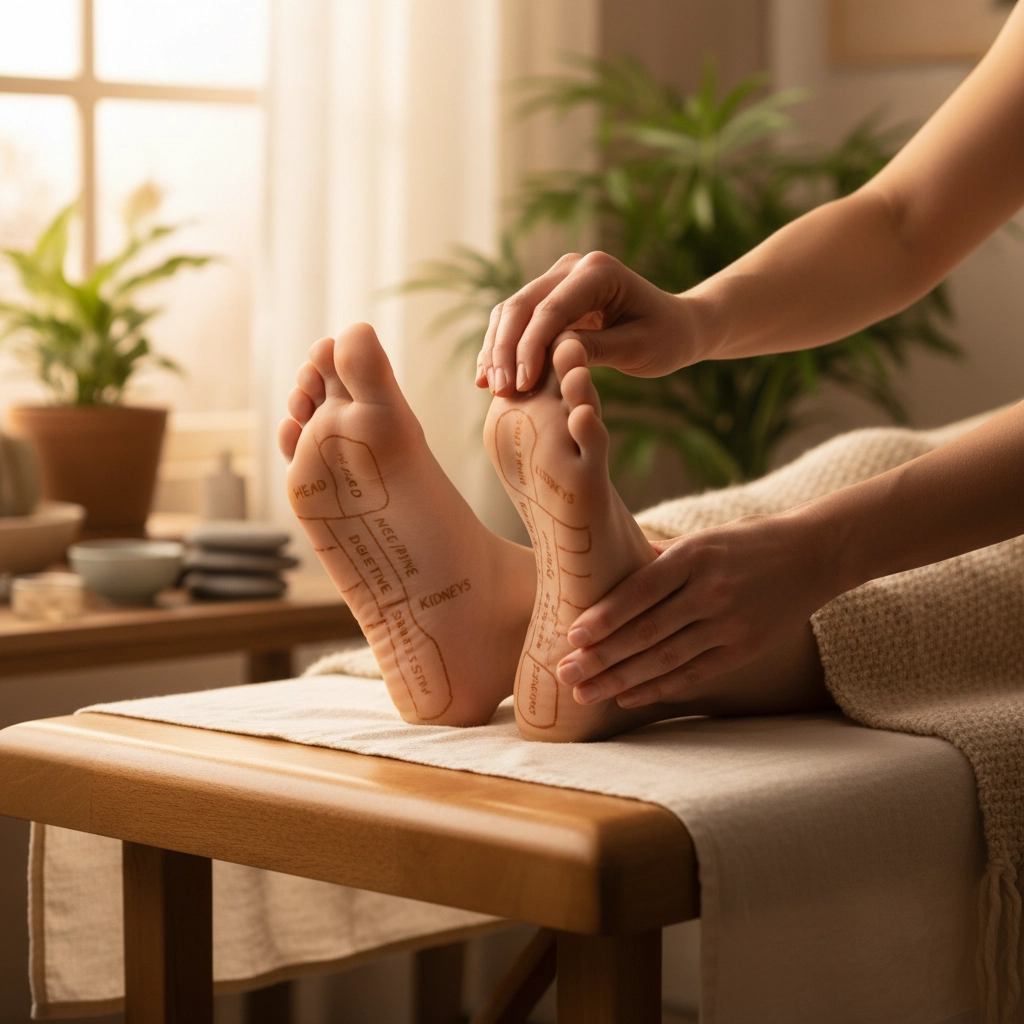
The practice operates on the principle that feet contain a complete map of the entire body. Professional reflexologists work with over 80 reference points called reflexes, each corresponding to different organs and body systems. These endpoints serve as natural accumulation points where circulation and nerve impulses conclude, creating deposits of metabolic byproducts such as lactic acid and uric acid.
Zone Theory Application
It functions through ten longitudinal zones that run from head to toe throughout the body. Dr. William Fitzgerald developed this zonal system, which remains the foundation of modern reflexology practice. These zones are most accessible through the feet, functioning as a messaging system where specific pressure applied to foot sections sends positive signals along corresponding body zones.
The technique operates by releasing blocked energy and stimulating organs within targeted zones. When pressure is applied to the heart area of the foot, for example, it affects not only cardiac function but all other organs within that corresponding zone.
The Science Behind Stress Relief Through Feet
Reflexology addresses stress through multiple physiological mechanisms. Applied pressure to specific reflexes encourages greater circulation to related body regions, alleviates both acute and chronic pain, and promotes deep relaxation responses that improve sleep patterns.
Crystal Deposit Theory
Professional reflexologists identify tender reflex areas as locations where crystal deposits have formed. These deposits indicate past, current, or potential future imbalances in corresponding body parts. Working these areas with targeted pressure helps restore balance and release accumulated stress throughout the system.
The effectiveness of reflexology for stress management stems from its ability to activate the body’s natural relaxation response while simultaneously addressing physical tension points. This dual action makes it particularly valuable for individuals experiencing chronic stress conditions.
Basic Reflexology Techniques for Self-Application
Preparation Requirements
Proper setup involves creating a comfortable environment with adequate seating and easy foot access. Many practitioners recommend beginning with a warm foot soak to relax muscles and prepare feet for treatment. This preparation phase enhances treatment effectiveness and comfort levels.

Essential Pressure Techniques
The foundation technique involves thumb walking. Here, you apply steady pressure while moving across reflex points. First, begin the treatment with gentle ankle shakes and toe rotations to relax the foot muscles. Next, progress by pressing down through the center of the foot using controlled movements.
Implementation of the Zone Walking Method
Additionally, the zone walking technique requires working up the foot in five distinct lines. These lines meet each toe and correspond to the five reflexology zones. To achieve the best results, repeat this process three times for each zone. Ensure you alternate hands to maintain comfort. Furthermore, you must avoid applying excessive pressure during this stage.
Specifically, focus on the big toe area, as this represents brain reflexes. Moreover, you should divide this region into five additional zones for detailed work. Consequently, if you give each zone equal treatment time, you will ensure comprehensive coverage.
Hand Reflexology as Alternative Approach
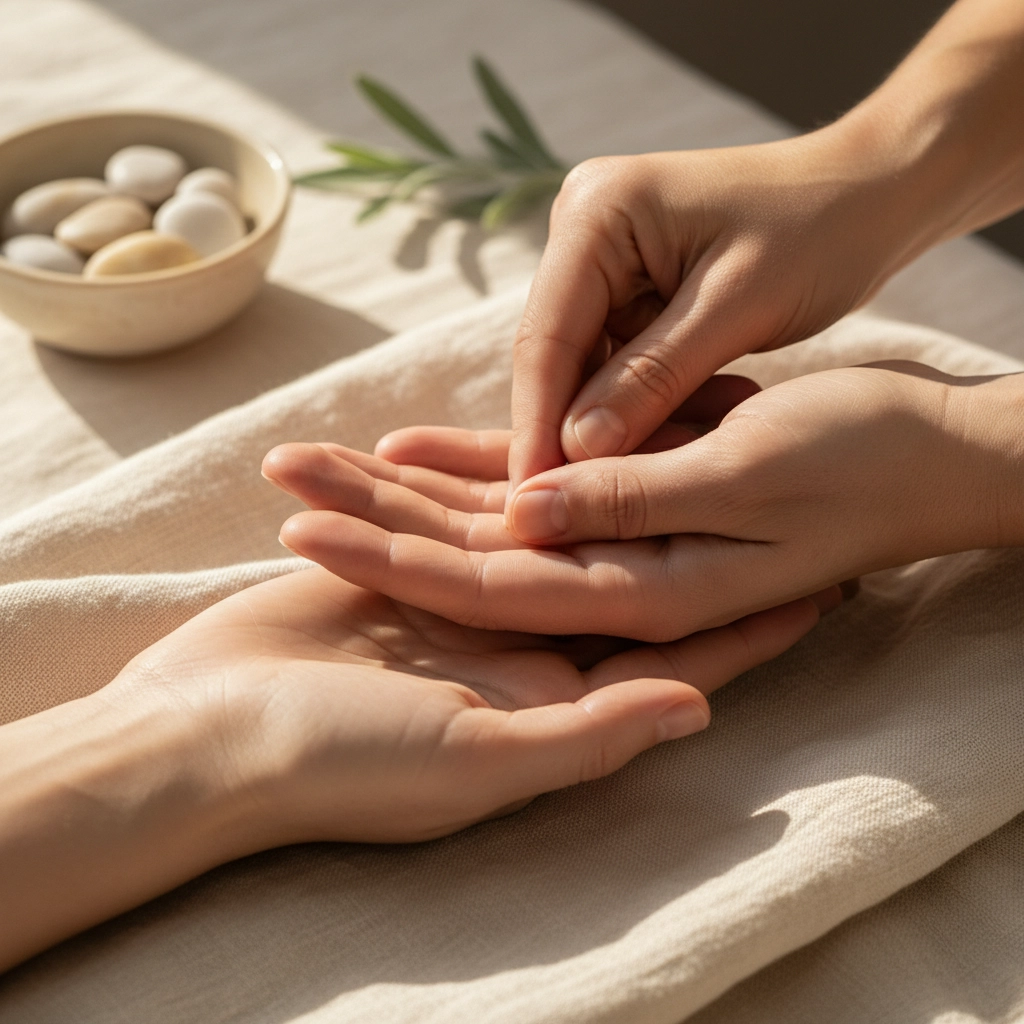
Hand reflexes mirror those found on feet, with thumb areas corresponding to big toe reflexes and finger areas matching remaining toe reflexes. Hand reflexology utilizes thumb walking across palms and index finger pressure for areas between metacarpal bones.
This alternative approach offers convenience for individuals who cannot easily access their feet or prefer hand-based treatments. The effectiveness remains comparable to foot reflexology when proper techniques are applied consistently.
Professional Treatment Process Structure
Initial Assessment Phase
Professional sessions begin with gentle pressure applied to different foot areas to identify tension or sensitivity patterns. Consequently, these assessments indicate areas of imbalance requiring focused attention during treatment. Furthermore, qualified practitioners use this information to customize treatment approaches based on individual needs and stress patterns. This initial evaluation process typically takes 5-10 minutes of the total session time.
Treatment Implementation Techniques
To begin the process, reflexologists employ thumbs, fingers, or knuckles to apply varying pressure intensities to specific reflex points. In addition, areas displaying heightened sensitivity receive extra attention and modified pressure applications. Treatment sessions follow systematic approaches. As a result, this ensures comprehensive coverage of all relevant reflex points while maintaining client comfort. The total duration typically ranges from 45-60 minutes for complete treatments.
Session Completion Protocol
Finally, treatments conclude with light massage, stretching, and gentle tapping to release remaining tension. This is done to promote deep relaxation responses and integrate the treatment benefits. Ultimately, this completion phase helps prepare clients for their post-session rest periods.
Reflexology Services Available in Guildford
Walking on Air Well Being provides specialized reflexology treatments in custom-designed rooms that promote deep relaxation. Led by Kimberley Perry MAR, a qualified reflexologist and consultant therapist, the clinic offers both traditional reflexology and power reflexology techniques.
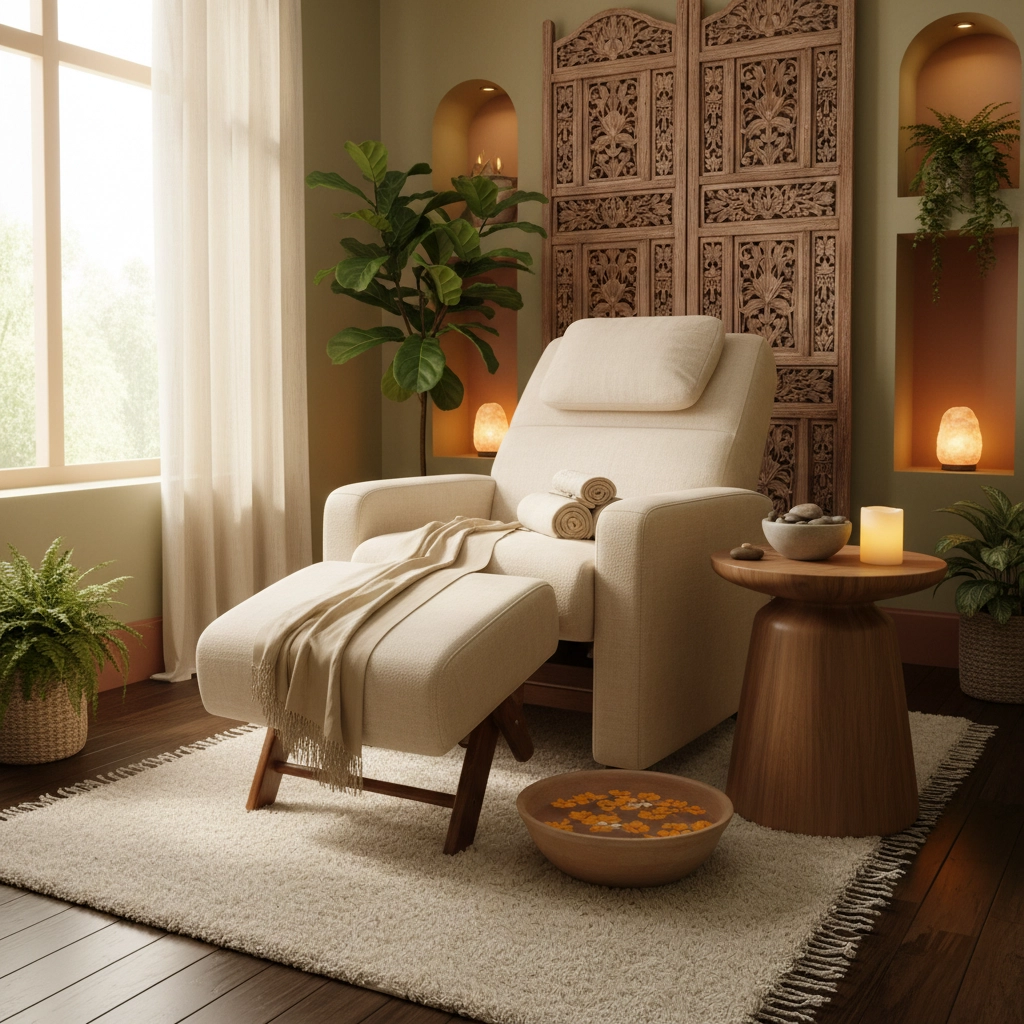
The establishment emphasizes reflexology’s adaptability as complementary therapy addressing multiple body systems simultaneously. Services accommodate individuals seeking preventative health strategies or relief from specific stress-related conditions.
Service Contact Information
Professional reflexology services in Guildford can be accessed through Walking on Air Well Being at 01483 454 000. The clinic provides consultation services to determine appropriate treatment approaches based on individual needs and health conditions.
Treatment Benefits and Expected Outcomes
Circulation and Pain Management
Regular reflexology sessions demonstrate significant improvements in circulation patterns, stress level reduction, and overall health enhancement. The practice proves particularly valuable for individuals experiencing chronic tension and pressure-related conditions.
Treatment benefits extend beyond immediate relaxation, contributing to long-term health maintenance and stress prevention strategies. Consistent application of reflexology techniques supports improved sleep quality and reduced anxiety levels.
Physical Response Management
Some reflexology points may produce tenderness during treatment, typically indicating tension or imbalance in corresponding body areas. Mild discomfort represents normal treatment responses, though excessive pressure should be avoided.
Communication between clients and practitioners ensures appropriate pressure levels and treatment comfort. Professional reflexologists adjust techniques based on individual sensitivity levels and treatment goals.

Treatment Accessibility and Adaptability
TREATMENT ACCESSIBILITY AND ADAPTABILITY
Reflexology treatments accommodate recipients of all ages and physical conditions. Therefore, this therapy remains accessible for diverse populations seeking stress relief solutions. Moreover, practitioners can adapt sessions for individuals with mobility limitations or specific health concerns.
The practice requires no special equipment or extensive preparation. Consequently, this allows for flexible scheduling and varied treatment locations. This accessibility factor contributes significantly to reflexology’s growing popularity as a stress management tool.
Integration with Healthcare Approaches
Reflexology functions effectively as a complementary therapy alongside conventional medical treatments. Additionally, professional practitioners work within established healthcare frameworks to provide supportive services.
Because the technique is non-invasive and lacks side effects, it fits perfectly with various treatment protocols. Furthermore, healthcare providers increasingly recognize reflexology’s value in comprehensive wellness approaches.
Conclusion
Reflexology offers scientifically-based stress relief through systematic foot pressure application. Professional services in Guildford provide accessible pathways to achieving improved wellness outcomes through this ancient therapeutic practice. Regular treatment sessions contribute to enhanced circulation, reduced stress levels, and improved overall health maintenance strategies.
CONTACT US
Contact Natural Light Wellness Spa to book your holistic treatments today. Our friendly Guildford team is ready to help you find your perfect session. Contact us now to schedule your relaxation and prioritise your wellness.


