A full calendar can make rest feel like another task to schedule. You may know that a massage, an early night, or a walk outdoors would help, yet still find yourself carrying tension through the week. Wellness workshops for adults create a different kind of pause: protected time to step away from demands, tend to your body and emotions, and return to daily life feeling more like yourself.
A well-designed workshop is not about getting wellness “right.” It is an invitation to slow your breathing, listen to what your body has been trying to say, and explore supportive practices in the company of others. Whether you arrive on your own, with a partner, or as part of a small group, the experience can become a meaningful reset rather than a brief escape.
What makes an adult wellness workshop valuable?
Adults often spend their energy caring for clients, children, colleagues, households, and communities. Even the most capable people can reach a point where they are functioning well on the outside while feeling disconnected, tired, or overstimulated underneath. A workshop creates intentional space for restoration before burnout becomes the only reason to stop.
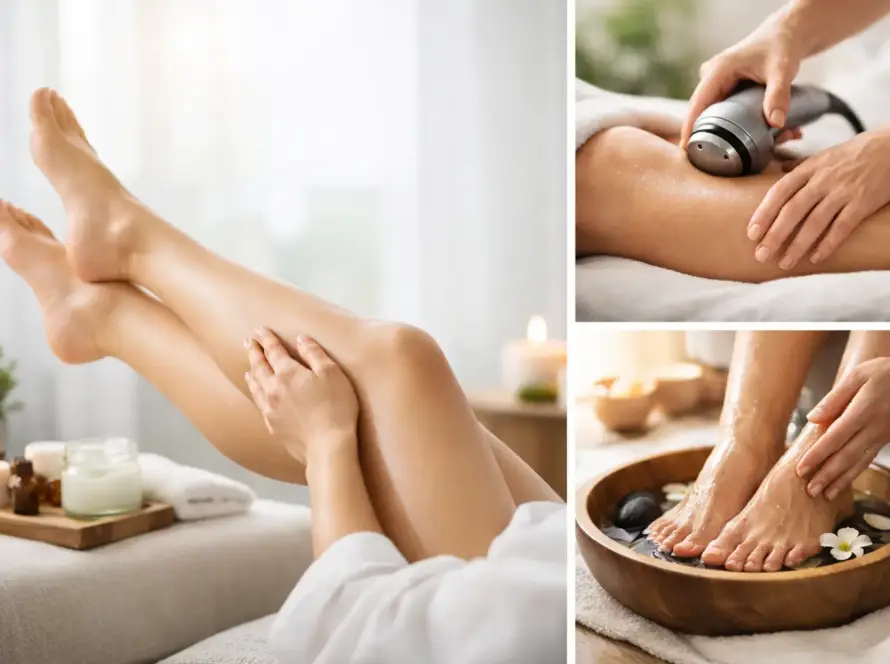
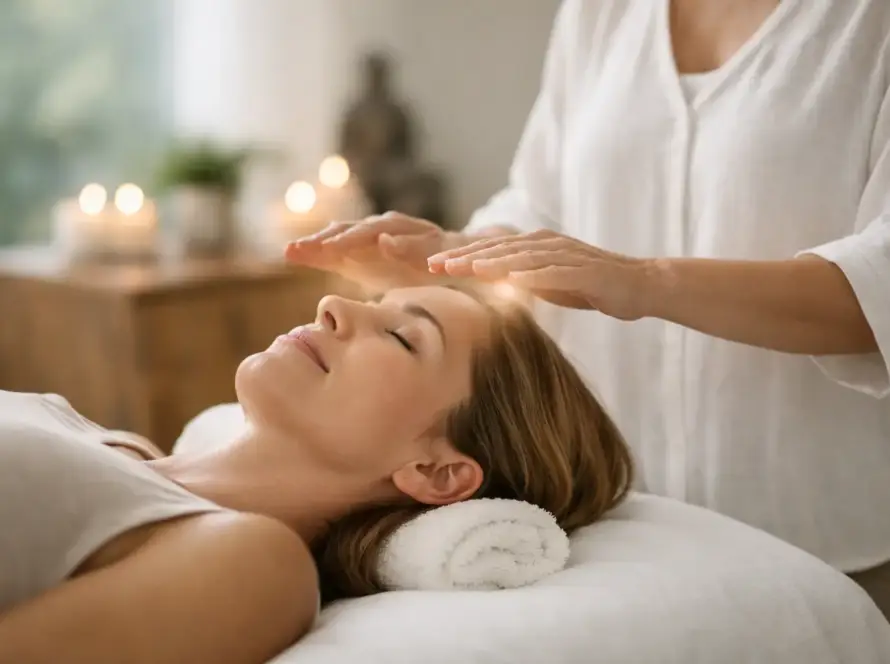
Unlike a single treatment, a workshop can combine education, guided practice, quiet reflection, and therapeutic care. You may learn a simple breathing technique, experience a meditation, receive hands-on support such as massage or reflexology, and share a nourishing meal or peaceful moment afterward. The value is in the rhythm of the experience. Your nervous system is given enough time to settle, rather than being rushed from one activity to the next.
For many people, the group setting is part of the healing. There is comfort in realizing that stress, poor sleep, emotional fatigue, and physical tension are not private failures. A thoughtfully held group offers connection without pressure to disclose more than feels right. You can be present, private, reflective, sociable, or somewhere in between.
Wellness workshops for adults are not one-size-fits-all
The right workshop depends on what you need most now. Someone navigating a demanding season at work may benefit from mindfulness, breathwork, and therapeutic massage. A couple may be looking for unhurried time to reconnect through a shared spa ritual. An expectant parent may want a gentle session centered on comfort, relaxation, and confidence in a changing body.
Some workshops lean more practical, teaching habits that support calmer mornings, deeper rest, or better boundaries. Others are more immersive and restorative, blending meditation, energy healing, chakra balancing, movement, sound, or spa therapies. Neither approach is automatically better. A practical format can be easier to carry into a busy routine, while a longer retreat-style experience can create the distance needed for a genuine emotional reset.
It is also worth choosing a workshop that meets you with care rather than assumptions. If you are pregnant, recovering from illness, living with cancer, managing an injury, or feeling emotionally tender, tell the provider before booking. Experienced practitioners can adapt treatments, pace, and participation so that the day feels supportive and safe.
The difference between a class and a restorative experience
A class may teach a skill. A restorative wellness experience holds the whole person.
That means the setting matters. Soft lighting, a calm treatment room, nourishing refreshments, unhurried transitions, and a warm welcome are not superficial details. They help signal to the body that it can leave alert mode behind. When paired with knowledgeable therapists and facilitators, these details turn a few hours away into a ritual of care.
At Natural Light, workshops and retreat-style experiences can be shaped around the people attending, whether that means a peaceful solo reset, a couples’ celebration, or a small gathering with friends. Personalized care matters because two people can arrive carrying the same stress and need very different forms of support.
What to look for before you book
The most appealing workshop description is not always the best fit. Before you commit, consider whether the experience has a clear purpose and enough spaciousness to deliver it. A packed agenda may sound generous, but too many activities can leave you feeling as though you have attended another event rather than truly rested.
Look for clarity around the facilitator’s expertise, the treatments or practices included, group size, and what is expected of participants. If bodywork is part of the day, ask whether it is delivered by qualified therapists and whether there is an opportunity to discuss your preferences. Pressure, focus areas, sensitivities, and comfort should never be an afterthought.
Think about practical details as part of your wellbeing, too. Easy parking, a convenient location, access to refreshments, comfortable facilities, and enough time between appointments can make the difference between arriving frazzled and arriving ready to receive. A premium experience should feel cared for from the moment you plan it.
Finally, pay attention to the language used by the host. Does it feel inclusive, grounded, and reassuring? Wellness should not demand that you become more flexible, spiritual, fit, or outgoing before you are welcome. The best spaces meet you where you are.
How to get more from your workshop day
You do not need to prepare perfectly, but a little intention helps. Avoid treating the workshop as a small gap between errands if you can. Give yourself a few extra minutes before arrival, wear comfortable clothes, and let someone else know you may be less available for the day.
Come with a gentle question rather than a performance goal. It might be: “What would help me feel more rested?” “Where am I holding tension?” or “What do I want to make room for?” There is no need to force an answer. The question simply gives your attention somewhere kind to land.
During the experience, notice what feels genuinely replenishing. Perhaps it is the quiet after a facial, the grounding pressure of reflexology, the relief of being offline, or a guided meditation that finally helps your thoughts soften. These details are useful. They point toward the forms of care that are most likely to support you beyond the workshop itself.
Afterward, resist the urge to fill the space immediately. If possible, keep the evening light. Drink water, eat something nourishing, and choose a slower plan than usual. Emotional releases can be subtle, and deep relaxation can leave you feeling both peaceful and a little tender. This is not a problem to solve. It is often a sign that you have made room to feel.
Bringing the feeling home
A workshop is not meant to create a perfect new lifestyle by Monday morning. It is meant to remind you that restoration is possible and to help you identify a few practices worth keeping.
Choose one small ritual from the day. It could be five quiet minutes before checking your phone, a weekly bath with intentional breathing, a monthly massage, or a short pause to place your feet on the floor and release your shoulders. Small rituals work because they are realistic enough to repeat. Consistency is usually more restorative than a dramatic plan that disappears after one busy week.
If you attended with a partner or friends, talk about what each person enjoyed most. You may decide to make space for a regular shared ritual, such as a screen-free meal, a walk, or a seasonal spa day. Connection grows through repeated moments of attention, not only grand occasions.
A meaningful way to gather
Wellness workshops can also offer a more thoughtful alternative to the usual celebration. Birthdays, bridal gatherings, friendship milestones, and team occasions do not have to revolve around noise, pressure, or late nights. A shared meditation, group treatment experience, garden moment, or restorative spa day gives people something rarer: time to feel cared for together.
For groups, balance is key. Offer enough structure that everyone feels looked after, but leave room for conversation and quiet. Not everyone will want the same treatment or level of participation. A flexible itinerary respects individual needs while keeping the day cohesive and special.
The most lasting wellness experiences do not ask you to escape your life. They help you return to it with steadier energy, a softer body, and a clearer sense of what deserves your attention. When you choose time that truly restores you, that feeling has a way of reaching far beyond the workshop room.