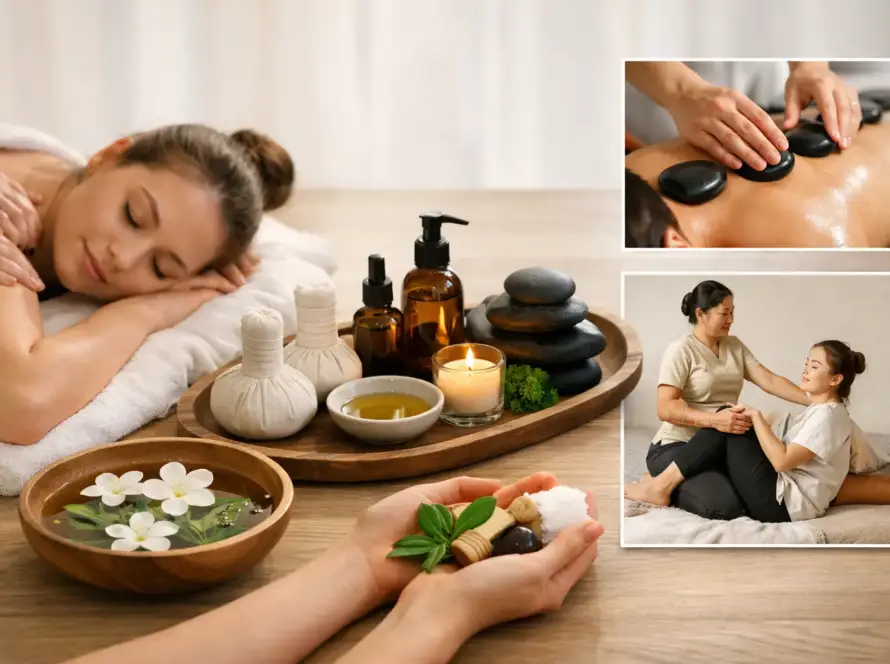
The moment you set aside time for a massage, facial, or spa day, you are choosing to step away from the pace of daily life. This guide to spa etiquette is here to make that transition feel easy. There is no need to know every custom before you arrive. A thoughtful spa team will guide you, but a little preparation helps you settle in sooner and receive the full benefit of your time.
Spa etiquette is not about performing perfectly. It is about respecting your own wellbeing, the calm of shared spaces, and the therapist or practitioner caring for you. Whether you are planning a solo reset, a couples experience, a pregnancy treatment, or a celebratory day with friends, these small considerations help create a more restful ritual for everyone.
Your Guide to Spa Etiquette Before You Arrive
Your experience begins before the treatment room. Arriving 10 to 15 minutes early gives you time to check in, use the restroom, complete any consultation forms, and let your body begin to slow down. If your booking includes spa access, a meal, or several treatments, your confirmation will explain the ideal arrival time. For a group booking, allow a little extra time so no one feels rushed at the start.
Wear comfortable clothing that is easy to change out of and back into. You do not need to arrive in spa attire unless your venue specifically asks you to. For massage and body treatments, you will be given privacy to undress to your own comfort level and will remain professionally draped throughout the service. For facials, it can help to arrive with minimal makeup, though this is never a requirement.
If you are feeling unwell, have a fever, have recently been exposed to a contagious illness, or are experiencing a skin condition that may affect treatment, contact the spa before traveling. Rescheduling may be the kindest choice for your own recovery and for the wellbeing of others. The same applies if you are running late. A quick call allows the team to advise you, although treatment time may need to be shortened when another guest is booked afterward.
Share what your body needs
The consultation is not a formality. It is how your therapist tailors your experience with care. Mention injuries, areas of tension, allergies, recent procedures, medications, pregnancy, or any health concerns that may affect your treatment. If you are undergoing cancer treatment, are in recovery, or have a complex medical history, ask about cancer-appropriate or adapted therapies rather than assuming every service will suit you.
Be honest about what you hope to feel when you leave. Perhaps you want firmer work through tight shoulders, gentle support for tired legs during pregnancy, a quiet facial after a demanding week, or a restorative energy-focused treatment. Your practitioner can make better choices when they understand your intention.
During Your Treatment: Comfort Comes First
A skilled therapist will explain what to expect, check your comfort, and leave the room while you get settled. Once the treatment begins, give yourself permission to speak up. Pressure that feels too intense is not something you need to endure. A room that feels cool, music that feels distracting, or a position that strains your neck can all be adjusted.
Many guests wonder whether they should talk during a massage. The answer is simple: do what helps you relax. Some people enjoy gentle conversation at the beginning and then drift into quiet. Others prefer silence from the first moment. Neither choice is rude. Your therapist may ask occasional questions about pressure or comfort, and a brief response is all that is needed.
Phones should be silenced and put away before entering the treatment space. This is not simply a courtesy to the therapist. Each alert can pull your nervous system back toward the very demands you came to release. If you must remain reachable because of family or work circumstances, let the spa team know in advance and keep interruptions to a minimum.
For holistic services such as reflexology, reiki, chakra balancing, or guided meditation, arrive with openness but without pressure to have a particular experience. Some guests feel deeply rested, emotional, warm, or energized. Others simply enjoy a quiet hour of stillness. There is no right response. The value may reveal itself in how you sleep, breathe, or move through the days that follow.
Respecting boundaries and professional care
Spa treatments are caring, personal services, but they remain professional at every stage. Therapists use appropriate draping, clear communication, and trained touch to create safety. You can decline any part of a treatment that does not feel right for you, and you should always feel comfortable asking questions.
Equally, respect the boundaries of the practitioner. Avoid asking for treatment outside their scope or extending a session beyond its scheduled time. If you would like more focused work, a longer massage, or support for a specific concern, ask the front desk about booking the right service on another occasion. This protects the quality of care for both you and the next guest.
Shared Spaces Call for Softer Energy
A spa lounge, relaxation room, garden setting, sauna, or pool area is designed for collective calm. Keep voices low, especially when arriving with a partner or group. Joyful conversation is welcome, but a spa day feels different when everyone can hear the water, the music, and their own thoughts.
Follow the venue’s guidance on swimwear, footwear, showering, and use of heat facilities. If you are unsure, ask. Some people thrive in a sauna before a massage, while others find heat leaves them dehydrated or lightheaded. It depends on your health, the treatment you are receiving, and how your body feels that day. Drink water, move slowly when standing, and skip heat therapies if you feel unwell.
For a couples or group spa experience, remember that each person may need something different. One guest may want to chat over lunch, while another may be craving quiet between treatments. Giving each other that space is one of the most generous parts of a shared wellness day.
Aftercare Is Part of the Ritual
Do not rush straight back into a packed schedule if you can help it. After a massage, reflexology session, facial, or energy treatment, your body often benefits from a gentler pace. Drink water, eat something nourishing, and leave room for a quiet walk or an early night.
You may feel wonderfully loose after deeper bodywork, but mild tenderness can also occur, especially if you arrived carrying significant muscular tension. A therapist may recommend stretching, hydration, warmth, or a follow-up appointment based on your needs. Follow their advice, but pay attention to your own body too. Persistent or concerning symptoms should be discussed with an appropriate healthcare professional.
If you loved your treatment, a sincere thank-you and a review are meaningful ways to support the team. Tipping customs vary by location and venue, so there is no single rule. If gratuity is customary where you are visiting and you would like to offer it, ask the front desk how it is handled. Genuine appreciation, clear feedback, and returning when you need care are all valued.
Make the Experience Yours
At Natural Light, a spa visit is not treated as a one-size-fits-all appointment. It can be a pause for tired muscles, a birthday ritual, a chance to reconnect with a partner, or a meaningful way to reclaim your center after a demanding season. Etiquette simply helps make space for that intention.
Come as you are, communicate honestly, and allow yourself to receive care without apology. The most gracious thing you can bring to a spa is a willingness to slow down. When you do, the calm you find in the treatment room has a better chance of following you home.